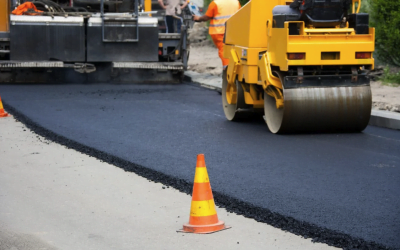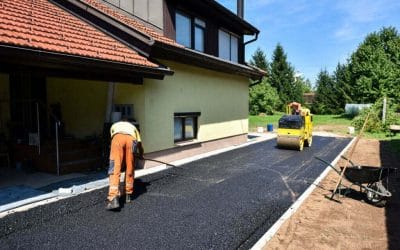

When it comes to parking lot drainage, many business owners don’t think about it until there is a problem. Unfortunately, this can lead to some costly repairs down the road. Installing a parking lot is no easy task. There are various elements to consider, such as the slope of the land, the materials you will use, and how you will direct traffic. However, one of the most important aspects of any parking lot installation is drainage. If your parking lot does not have efficient drainage, it can quickly become a muddy mess – and no one wants that! American Paving will discuss why drainage is so crucial during parking lot installation and offer some tips on how to get it right.
Importance of Parking Lot Drainage
Several factors must be considered when installing a parking lot, such as the slope of the land, the materials you will use, and how you will direct traffic. However, one of the most important aspects of any parking lot installation is drainage. If your parking lot does not have correct drainage, it can quickly become a hassle to navigate – and no one wants that! By ensuring adequate parking lot drainage during installation, you can save yourself a lot of headaches (and money) down the road. So don’t cut corners – make sure your parking lot is installed correctly from the ground up!
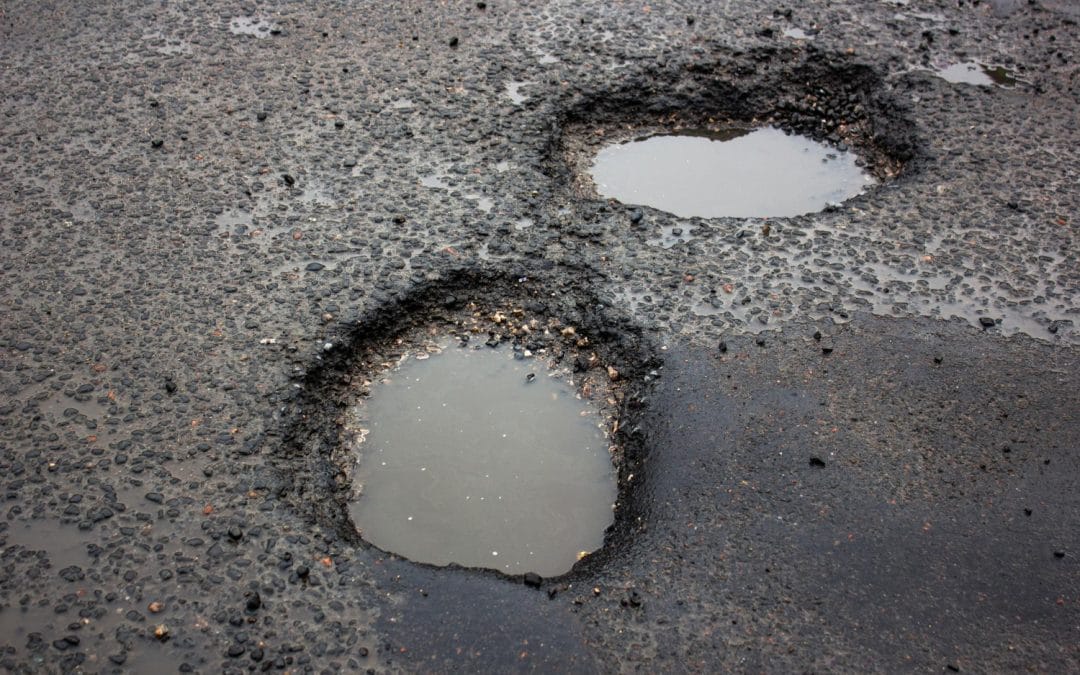
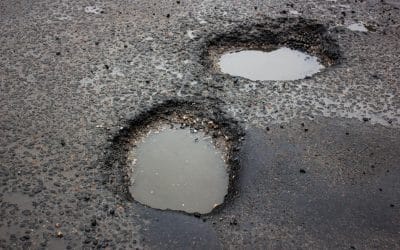
So, why is parking lot drainage so important? There are a few reasons. First, parking lots are subject to water runoff from rain, snowmelt, and even sprinklers. If this water is not adequately drained from the parking lot surface, it can pool on the pavement and lead to cracking and potholes. In addition, standing water can also create a perfect breeding ground for mosquitoes and other pests. Not to mention, it spoils the look and feel of your business!
Installing Proper Drainage System at Your Parking Lot
You can take a few actions to ensure proper parking lot drainage during installation. First of all, make sure you grade the land properly so that water will run off of the parking lot surface. You should also install drains at regular intervals around the parking lot to catch any water pooling on the pavement. Finally, make sure your parking lot is sealed correctly so that water cannot seep into the asphalt and cause damage from below.
These simple tips can ensure that your parking lot has proper drainage and will last for years! Contact a professional today if you have any questions or need help with your parking lot installation. They will identify the best course of action for your specific property.
Ending Note
Proper parking lot drainage is a must-have, and it should be considered during installation. If you need a new parking lot or are considering installing one, contact American Paving serving Telford, PA. Avail our free estimate, and let us help you with the process to ensure that your parking lot is adequately drained.