When your driveway begins to show signs of wear, it can be difficult to know whether asphalt patching is enough—or if you need full paving to restore long-term durability. Understanding the difference helps homeowners make an informed and cost-effective decision. Here’s how to determine which option is right for your driveway.
When Asphalt Patching Is the Best Solution
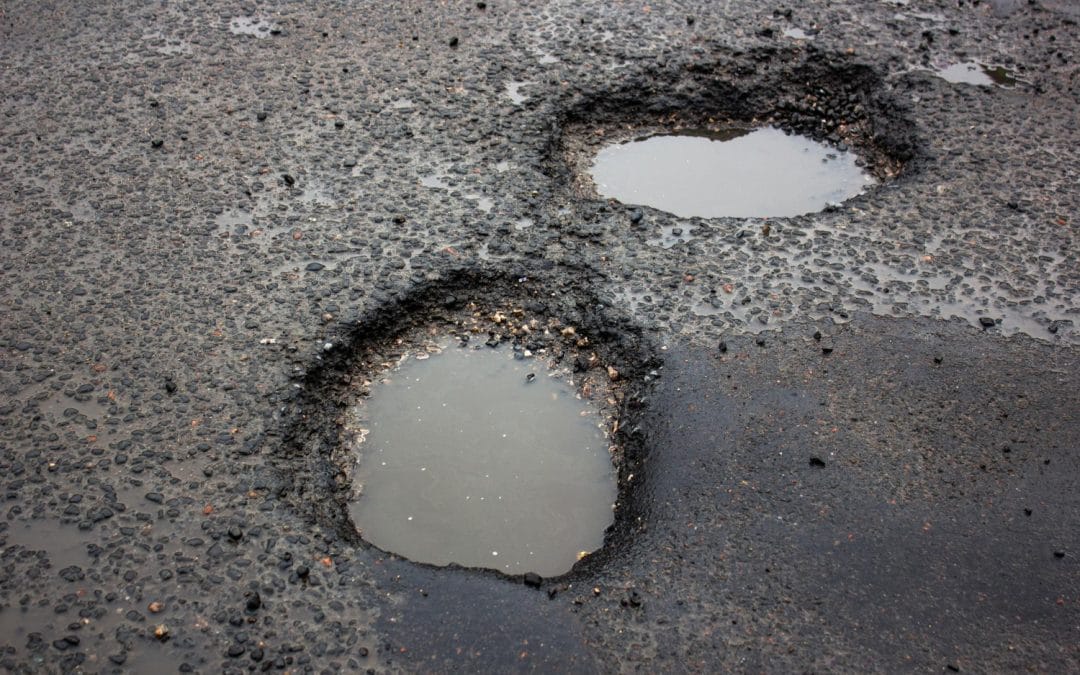
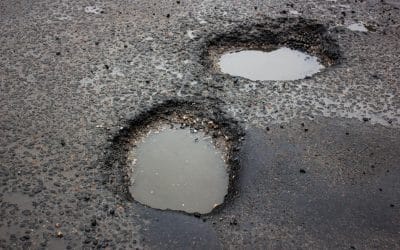
Patching is ideal for localized damage such as potholes, small cracks, or isolated sunken areas. This approach repairs surface-level issues without requiring a complete overhaul.
You should consider patching when:
- Damage is limited to one or two areas
- Cracks are shallow and not spreading quickly
- The majority of your driveway is still structurally sound
Patching is a budget-friendly option that extends your driveway’s lifespan while preventing issues from getting worse.
When Full Paving Is the Smarter Long-Term Choice
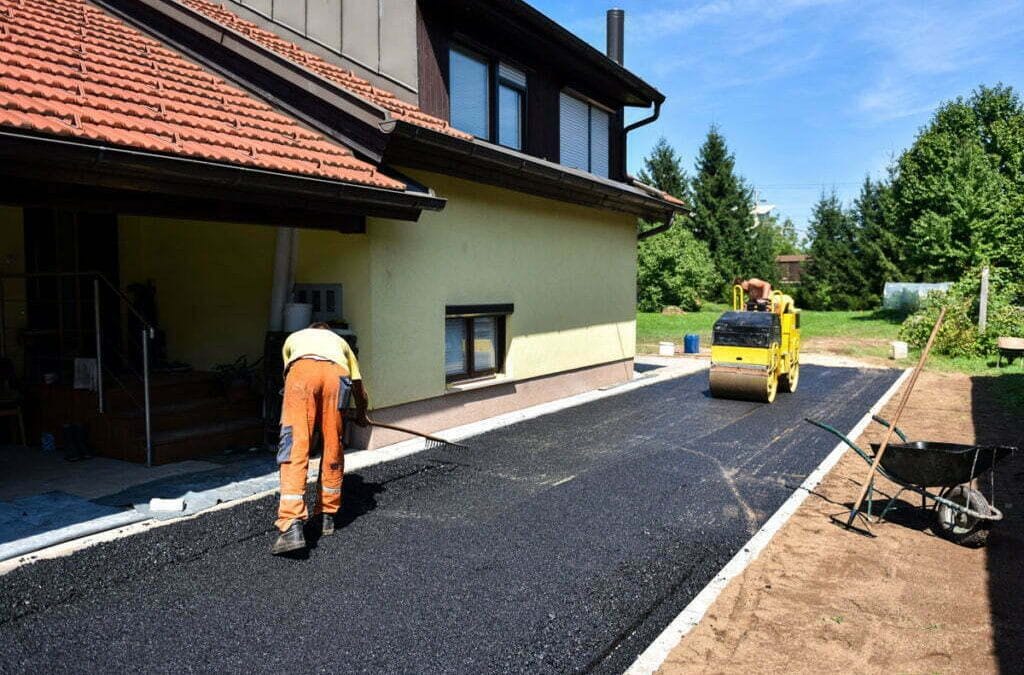
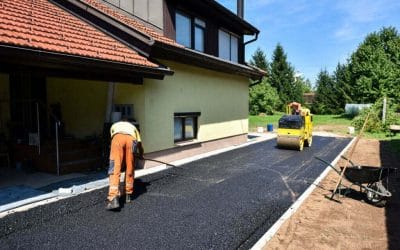
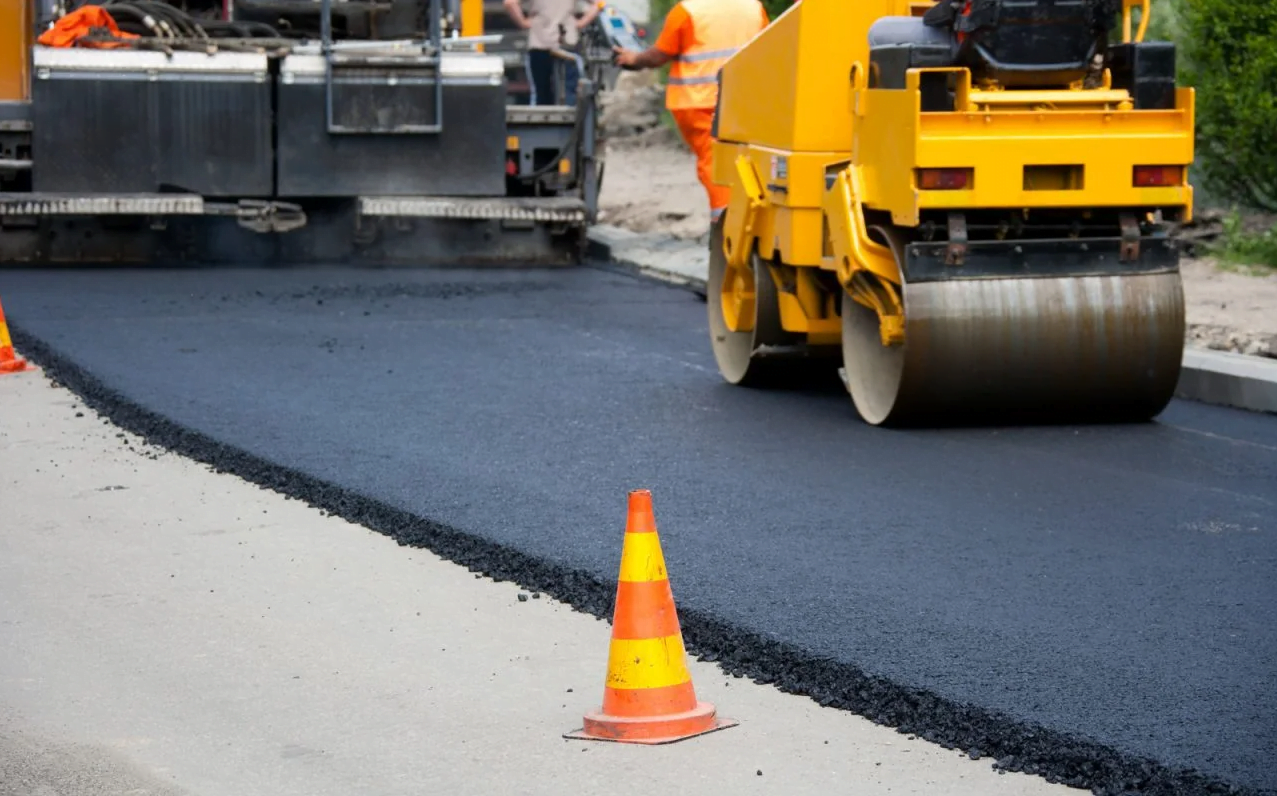
If large portions of your driveway are cracked, crumbling, or uneven, patching may only provide temporary relief. Full paving ensures long-term performance by rebuilding the asphalt surface and reinforcing the base underneath.
Full paving is recommended when:
- Alligator cracking or deep fractures are visible
- Drainage issues cause standing water
- Potholes reappear after previous repairs
- The asphalt surface is more than 20–25 years old
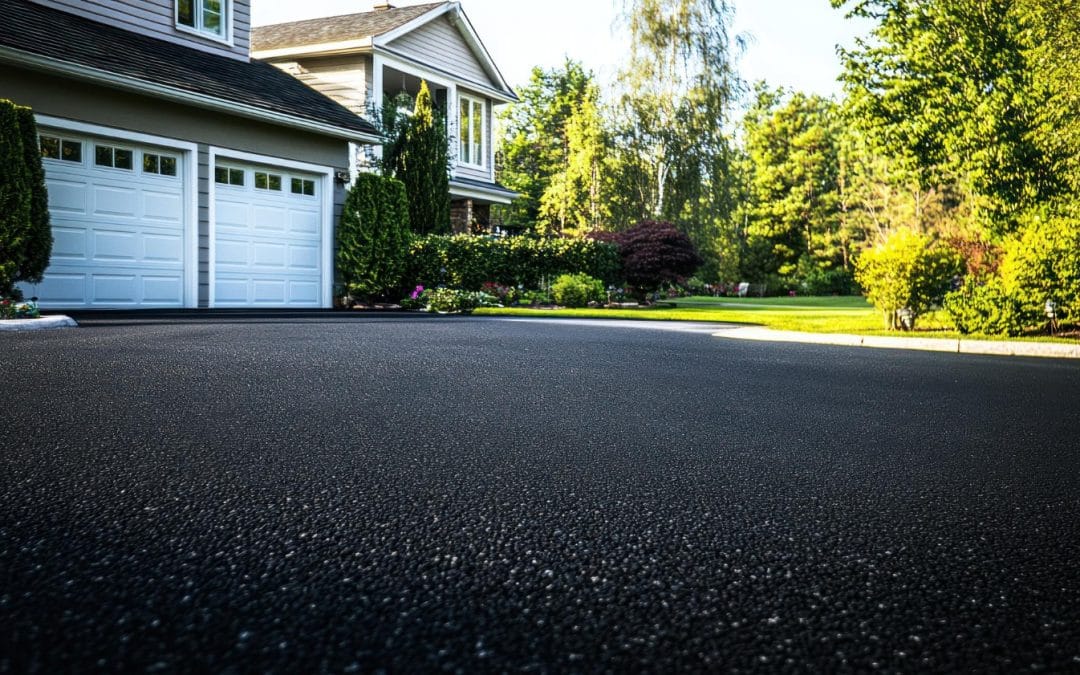
A complete repave offers a smooth finish, improved curb appeal, and far better durability.
How to Choose the Right Option for Your Driveway
The best choice depends on damage severity, age of the asphalt, and long-term maintenance goals. A professional inspection can help determine whether patching or paving is the most cost-effective solution for your driveway.
For expert recommendations and quality workmanship, contact American Paving today to schedule an assessment: Contact Us.